Date: 6 December 2019
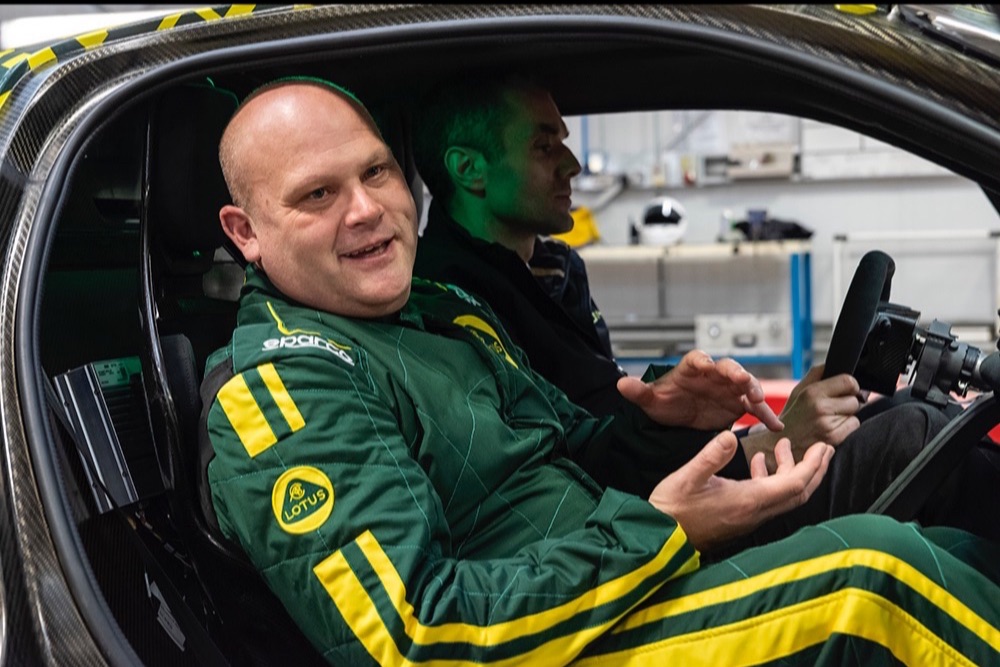
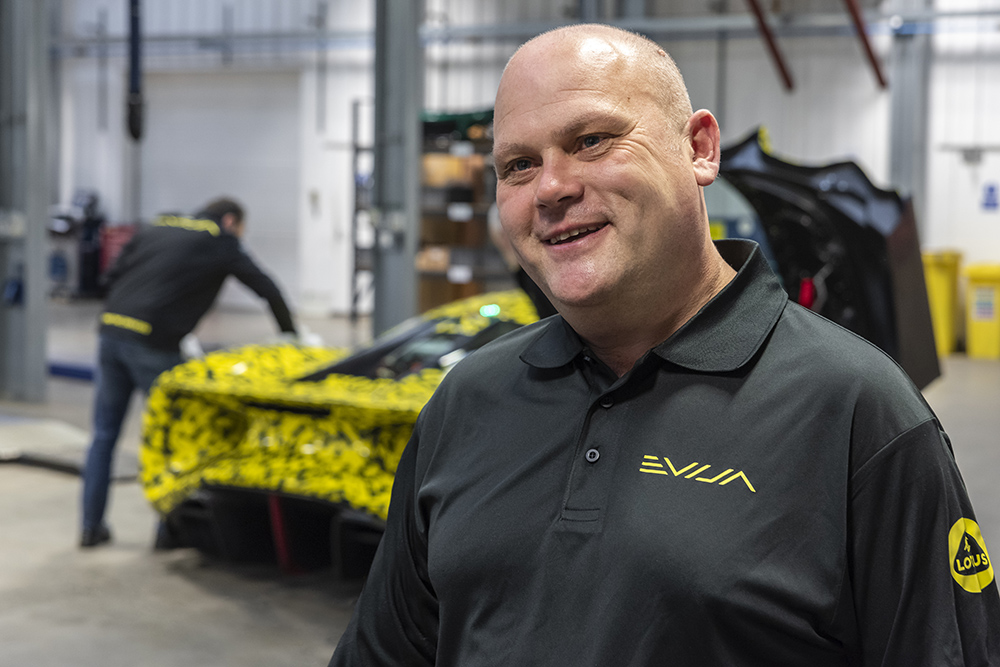
Driver: Gavan Kershaw, Director, Attributes and Product Integrity, Lotus Cars
Location: Hethel, Norfolk, UK
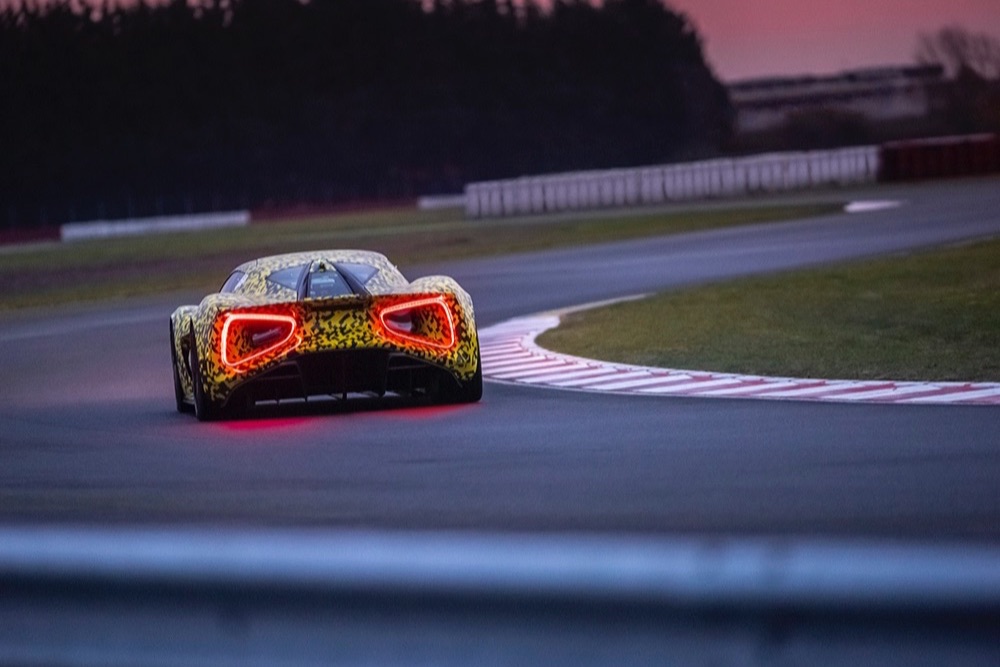
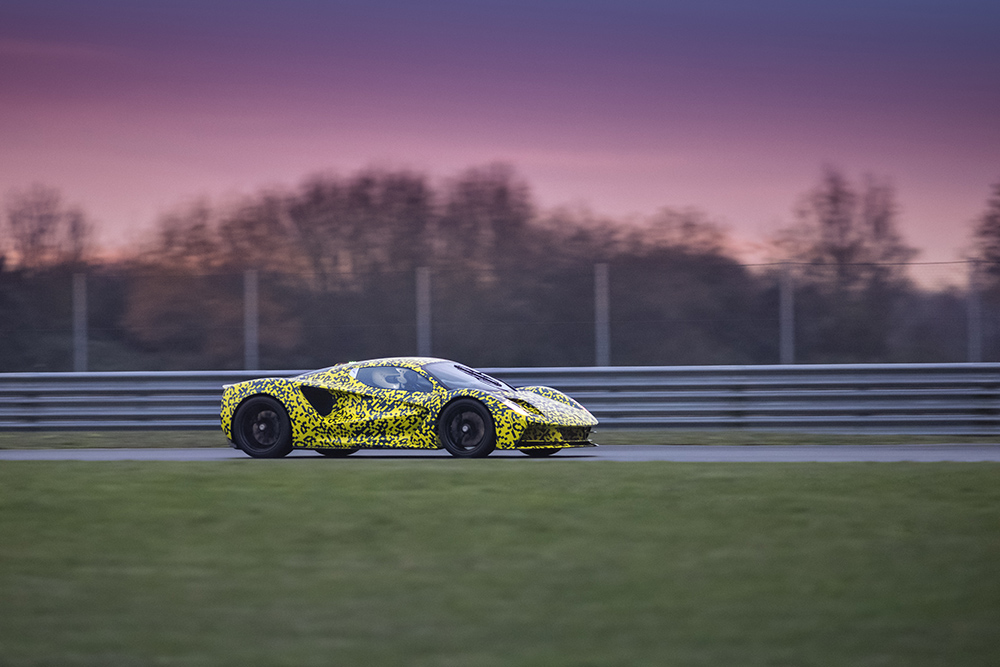
Car: Lotus Evija engineering prototype #2
Pre-test notes:
- Latest shakedown follows extensive computer simulations, plus multiple sessions in UK and Italy.
- Engineering prototype #2 is the most advanced of three on test, with customer-specification suspension, EV powertrain, brakes and full carbon-fibre body panels.
- Features most complete interior yet, with key elements such as production seats and ‘ski slope-style’ floating centre console in place.
- Fitted with hydraulics to support deployment of car’s active aerodynamics.
Driver’s notes:
“The car is in a completely pure state at the moment, with no stability control or torque-vectoring. This is so we can evaluate the fundamentals of the chassis, to create the mechanical advantage before the other layers, such as the electronics, are added. It means we can really read the car. Later we can tune what we’ve gained as a mechanical advantage as we add layers. It’s the Lotus way – get the fundamentals right from the start and use baseline aerodynamics, suspension kinematics and geometry to feel the vehicle’s response.
I feel really at home in it, it’s really driveable. We assessed the stability and agility through tight corners. We did brisk accelerations to work out the torque split and looked at tyre grip and response.
Lotus has always been about ‘input = output’, so if you do something you get a response, and that’s what we’re balancing now. It’s all about the detail so, for example, we’re validating the progressive response from the pedals. We know there’s an enormous amount of torque but drivers will only want it when they ask for it with their right foot. It’s about getting that throttle balance right.
We assessed steering-wheel angle versus vehicle response at different speeds to ensure the car feels nimble at 30mph as well as 200mph.
Through testing like this we can work on every element, like how connected you feel to the car, the driving position, location of the primary controls and visibility. It’s all about validating how the thousands of hours of computer simulations actually translate into the vehicle. It’s a two-fold process: proving they were the correct targets in the first place, and that the results are accurately translating into the car.
It’s also about bringing in experience from other vehicles – what we know from driving Exige and Evora, the Lotus GT race cars – and making sure that core Lotus DNA is all at its absolute best in the Evija.
It’s really exciting for me. I love this part of developing any Lotus because it’s proving the mechanical design and the physics behind everything is right, and then working with our engineers to enhance the experience and give the car a true Lotus character. It’s the step-by-step stuff we do with every Lotus – Evija is no different.
It’s another chapter in my 30+ years at this company. Yes, I’ve got a big smile on my face because it’s the latest tech, it’s a Lotus and we’re at the forefront again.”
About Lotus
Group Lotus Limited is based in Norfolk, UK.
Lotus Cars builds world class, high performance sports cars including the Evora, Elise, Exige and 3-Eleven ranges of sportscars.
Lotus Engineering provides comprehensive and versatile consultancy services to many of the world’s OEMs and Tier 1 suppliers and is an internationally recognized automotive engineering consultancy.